 Taraweeh Reflection
Day 12: Juzz 12
Lessons from Surah Yusuf
Opening (30 seconds)
Alhamdulillah, tonight we reflect on one of the most beloved stories in the Qur’an — Surah Yusuf, which Allah Himself calls:“Ahsan al-Qasas” — the best of stories.
But it is not just a story. It is a manual for surviving hardship with faith.
⸻
 Tests Do Not Mean Allah Has Abandoned You
The life of Prophet Yusuf عليه السلام begins with a dream — a promise of honor.
Yet immediately after:
• He is betrayed by his brothers,
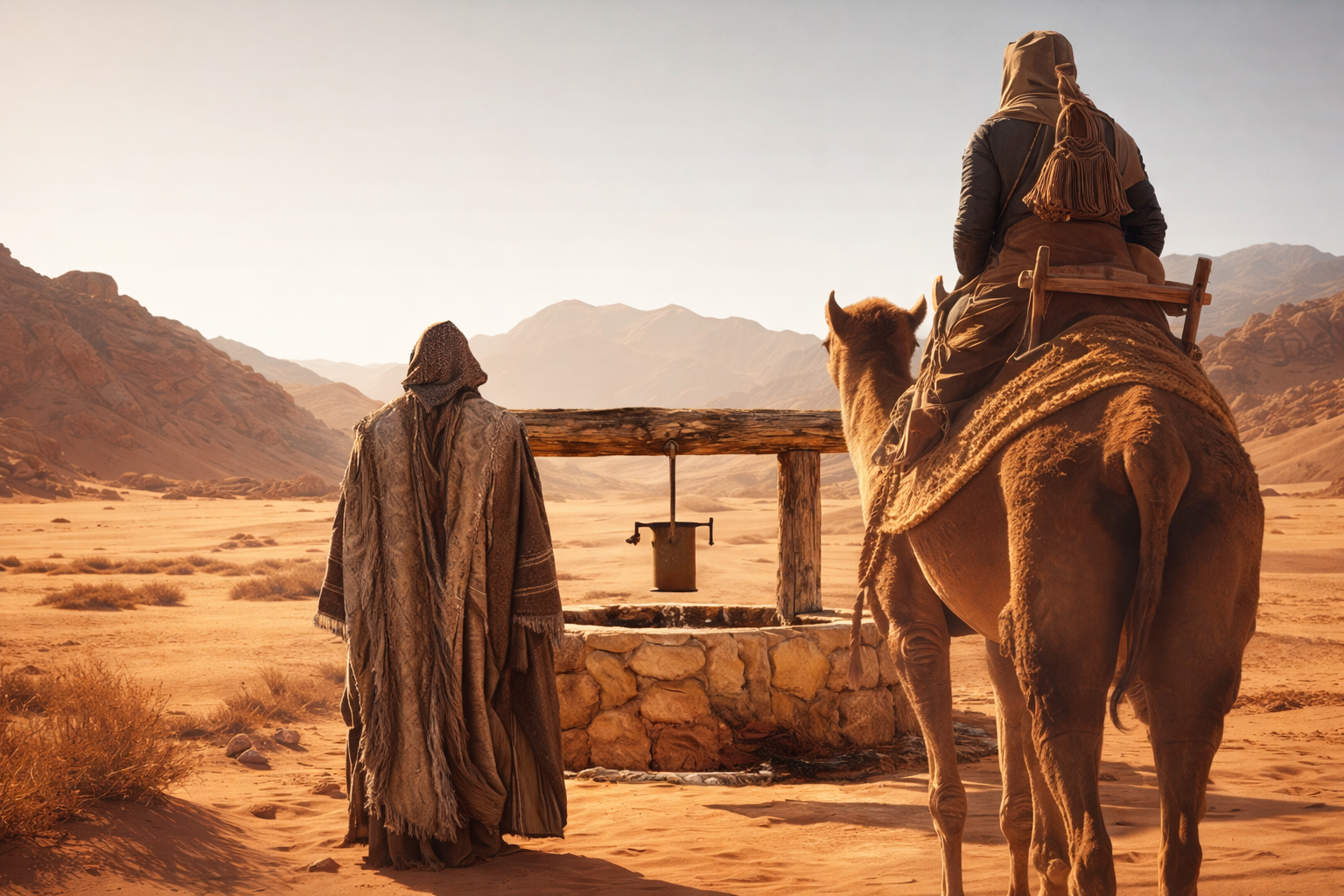
• Thrown into a well,
• Sold as a slave,
• Wrongly imprisoned.
From the outside, everything looks like failure.
Lesson:
Sometimes Allah’s plan looks like loss before it looks like victory.
Many of us think:
• “Why is this happening to me?”
• “Why is my dua delayed?”
Surah Yusuf teaches:
 Allah is preparing you while you think you are being broken.
Every stage was necessary for Yusuf to reach leadership in Egypt.
⸻
 People May Plot — But Allah Is the Best Planner
Yusuf’s brothers plotted.
The wife of the Aziz plotted.
Prison companions forgot him.
Yet Allah says repeatedly that His plan prevailed.
Reflection:
We fear people’s actions, opinions, and harm — but Surah Yusuf shifts our focus.
Human plans operate inside Allah’s plan.
If Allah wants good for you, no betrayal can stop it.
⸻
 Guarding Faith in Private Matters
One of the most powerful moments in Juz 12 is when Yusuf is tempted in secrecy.
No cameras. No witnesses. No consequences.
Yet he says:
“Ma‘adh Allah” — I seek refuge in Allah.
Lesson:
Real taqwa is who you are when nobody sees you.
Ramadan trains us exactly for this:
• No one sees us fasting,
• No one hears every intention,
• But Allah sees.
Integrity in private brings honor in public.
⸻
 Hardship Is Not Wasted Time
Years passed in prison.
Imagine the emotional weight:
• Innocent,
• Forgotten,
• Waiting.
Yet prison became:
• A place of dawah,
• A place of spiritual growth,
• The doorway to leadership.
Lesson:
Your “waiting period” may actually be your training period.
Sometimes Allah delays success because He is building the character needed to carry it.
⸻
 Responding to Hurt Without Bitterness
Perhaps the most emotional moment:
When Yusuf finally faces the brothers who hurt him, he says:
“No blame upon you today.”
He had power.
He had authority.
He had every right to revenge.
But he chose mercy.
Reflection for Ramadan:
Forgiveness is not weakness — it is prophetic strength.
The real victory was not political power; it was purity of heart.
⸻
 The Central Message of Surah Yusuf
Near the end of Juz 12 we learn:
Patience + Taqwa = Allah’s help
Allah says those who combine:
• patience,
• consciousness of Him,
will never lose their reward.
Yusuf’s journey shows:
• The well was not the end,
• The prison was not the end,
• Even betrayal was not the end.
Allah was writing a story bigger than the pain.
⸻
Closing Reflection (30–45 seconds)
Tonight ask yourself:
• What “well” am I currently in?
• What hardship feels unfair?
• Where do I need patience?
• Who do I need to forgive?
Surah Yusuf reminds us:
Allah’s timing is perfect even when our understanding is incomplete.
Just as Yusuf moved from the darkness of a well to the light of leadership — Allah can transform our hardships into honor if we remain patient and faithful.
May Allah make us people of sabr, taqwa, and beautiful forgiveness.