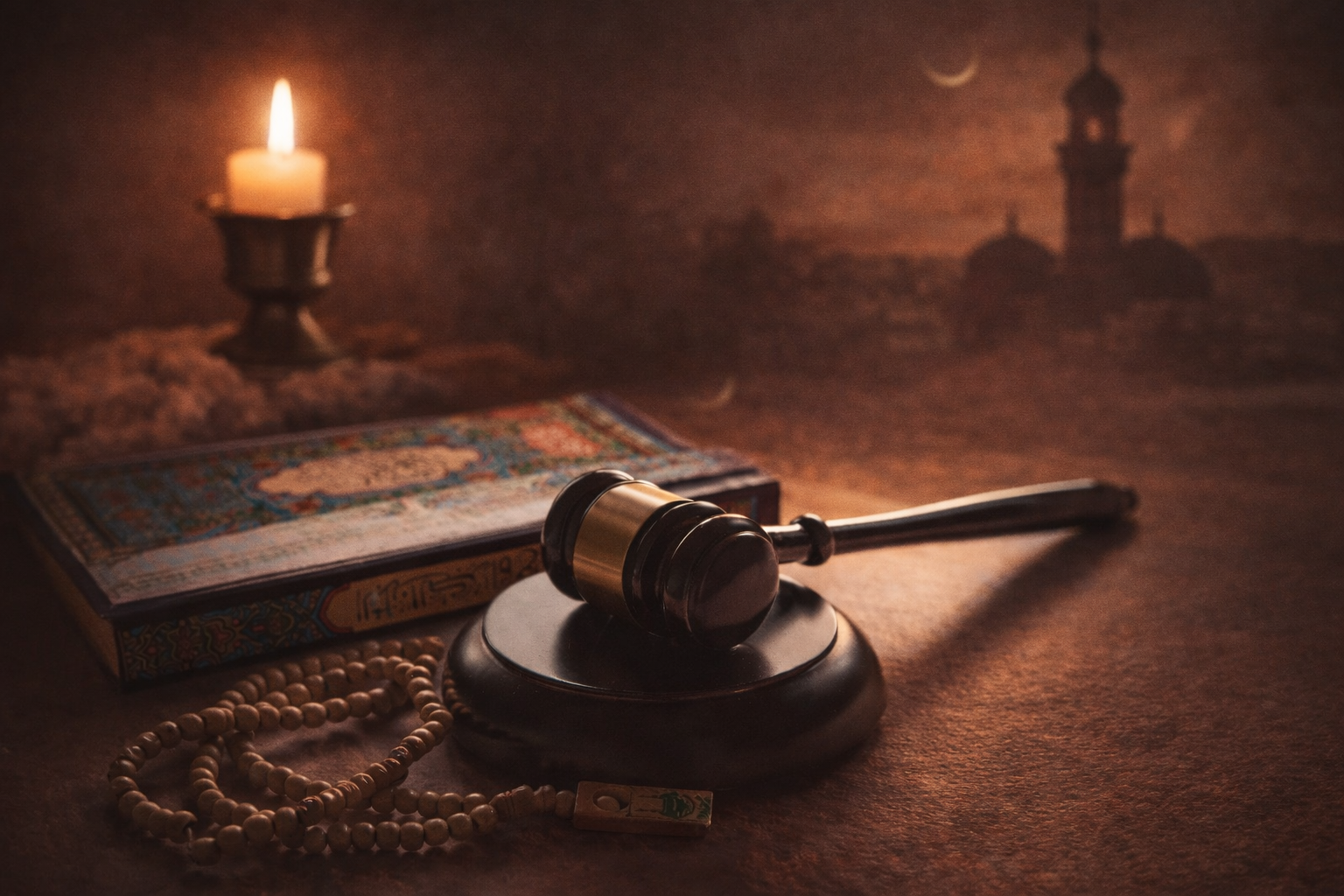
Taraweeh Reflection
Day 4 – Juz 4
Justice Begins at Home
۞ يَـٰٓأَيُّهَا ٱلَّذِينَ ءَامَنُوا۟ كُونُوا۟ قَوَّٰمِينَ بِٱلْقِسْطِ شُهَدَآءَ لِلَّهِ وَلَوْ عَلَىٰٓ أَنفُسِكُمْ أَوِ ٱلْوَٰلِدَيْنِ وَٱلْأَقْرَبِينَ ۚ إِن يَكُنْ غَنِيًّا أَوْ فَقِيرًۭا فَٱللَّهُ أَوْلَىٰ بِهِمَا ۖ فَلَا تَتَّبِعُوا۟ ٱلْهَوَىٰٓ أَن تَعْدِلُوا۟ ۚ وَإِن تَلْوُۥٓا۟ أَوْ تُعْرِضُوا۟ فَإِنَّ ٱللَّهَ كَانَ بِمَا تَعْمَلُونَ خَبِيرًۭا ١٣٥O believers! Stand firm for justice as witnesses for Allah even if it is against yourselves, your parents, or close relatives. Be they rich or poor, Allah is best to ensure their interests. So do not let your desires cause you to deviate ˹from justice˺. If you distort the testimony or refuse to give it, then ˹know that˺ Allah is certainly All-Aware of what you do. (Quran 4:135)
Tonight, as we reflect on Juz 4, Allah ﷻ gives us one of the most powerful and demanding commands in the Qur’an:
Stand firmly for justice.
Not occasionally.
Not when it is convenient.
Not when it benefits us.
But firmly. Consistently. Even when it costs us.
Allah continues in this verse:
“…as witnesses for Allah, even if it be against yourselves, your parents, or your relatives…”
This is not ordinary justice. This is courageous justice. This is personal justice. This is justice that begins at home.
1. Faith Demands Fairness
We often think of justice in political or legal terms — courts, leaders, systems. But the Qur’an brings justice into our living rooms.
Justice is not only about nations.
It is about conversations.
It is about tone.
It is about fairness in private.
A believer cannot separate faith from fairness.
You cannot pray Taraweeh at night and be oppressive in your home by day.
You cannot fast in Ramadan and cheat someone in business.
You cannot raise your hands in du‘a and raise your voice unjustly at your spouse or children.
Justice is not a slogan. It is worship.
When Allah commands “كُونُوا قَوَّامِينَ بِالْقِسْطِ” — He uses a form that implies standing repeatedly, persistently, actively upholding justice. It requires effort. It requires self-control. It requires humility.
2. Justice Begins With the Self
The verse says: even if it is against yourselves.
This is where it becomes difficult.
It is easy to demand justice when we are wronged.
It is harder to admit when we are the ones who are wrong.
Ask yourself:
•Do I exaggerate stories to make myself look better?
•Do I defend myself even when I know I am mistaken?
•Do I apologize when I should?
Justice begins when we stop making excuses for our own behavior.
Ramadan is the month of muhasabah — self-accountability. Before we ask Allah for mercy, we must ask ourselves: am I fair?
3. Justice in the Family
Many injustices happen quietly in homes.
•Favoring one child over another.
•Dismissing a spouse’s concerns.
•Ignoring the rights of parents.
•Making decisions without consultation.
The Prophet ﷺ warned against favoritism between children. Fairness in love, time, and gifts is part of taqwa.
Sometimes injustice is not loud. It is subtle:
•Interrupting someone repeatedly.
•Mocking their opinion.
•Withholding appreciation.
Justice in family life means giving each person their due — respect, attention, and kindness.
If our homes are unjust, our society will be unjust.
4. Justice in Finances
Juz 4 also addresses financial dealings — inheritance, guardianship of orphans, protection of wealth.
Islam is precise about money because money tests our integrity.
Ask yourself:
•Do I delay paying debts?
•Do I underpay someone because I can?
•Do I exploit someone’s desperation?
The Qur’an ties financial justice directly to faith.
Ramadan softens the heart. Let it also purify our transactions.
5. Justice in Speech
Another subtle arena of justice is the tongue.
•Do we spread unverified claims?
•Do we speak harshly?
•Do we twist facts to win arguments?
Allah says elsewhere:
“O you who believe, fear Allah and speak words of appropriate justice.”
Your speech can either uphold justice — or destroy it.
Justice in speech means:
•Being truthful.
•Avoiding exaggeration.
•Refusing to slander.
•Defending someone who is being wronged — even if you dislike them.
This is difficult. But this is iman.
6. Justice Is Not Emotional — It Is Principled
We often let emotions determine fairness.
If we love someone, we excuse everything.
If we dislike someone, we criticize everything.
But Allah teaches us that justice is not based on love or hate.
Elsewhere in the Qur’an, He says:
“Do not let the hatred of a people prevent you from being just. Be just — that is closer to righteousness.”
Justice is closest to taqwa.
If you want to know how close you are to Allah, ask yourself:
Am I fair — especially when I feel wronged?
Reflection: Am I Equitable?
Tonight, take a quiet moment after Taraweeh and reflect:
•Is there someone I have been unfair to?
•Is there a conversation I avoided because admitting fault is uncomfortable?
•Is there a right I delayed giving?
•Is there a bias in my heart that affects my judgment?
Justice is not abstract. It is deeply personal.
Sometimes the hardest courtroom is the one inside our own conscience.
Action Step: Correct One Small Injustice Today
Do not try to fix the world tonight.
Fix one small injustice.
•Apologize to someone.
•Return something that is not yours.
•Pay a delayed amount.
•Treat your children equally tomorrow.
•Speak up for someone who is being dismissed.
Small acts of justice accumulate. They purify the heart.
And when justice becomes a habit at home, Allah brings barakah to the home.
Closing Reflection
Ramadan is not just about hunger.
It is about transformation.
When Allah commands, “Stand firmly for justice,” He is shaping believers who can carry responsibility — in their homes, their communities, and beyond.
Let us not leave Juz 4 as recitation alone.
Let it become character.
May Allah make us people who are fair in private and public.
May He protect us from ظلم (oppression), whether we commit it or suffer it.
And may He make justice a light in our hearts and a weight on our scale of good deeds on the Day we stand before Him.
Ameen.